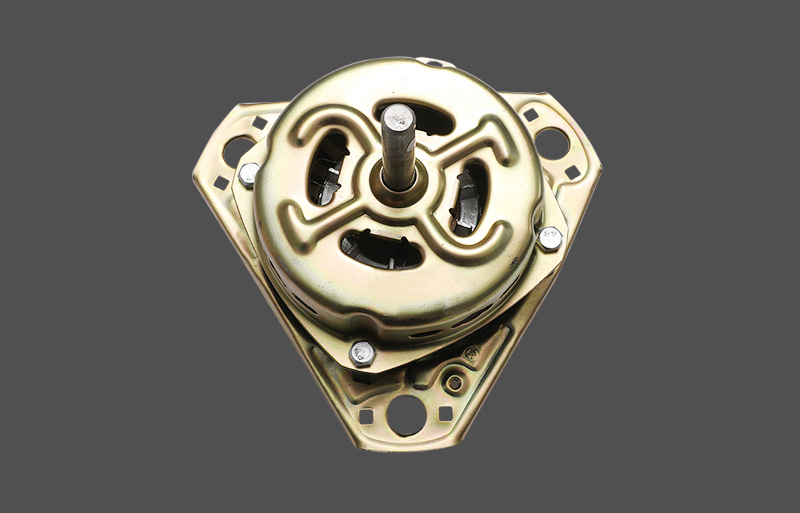
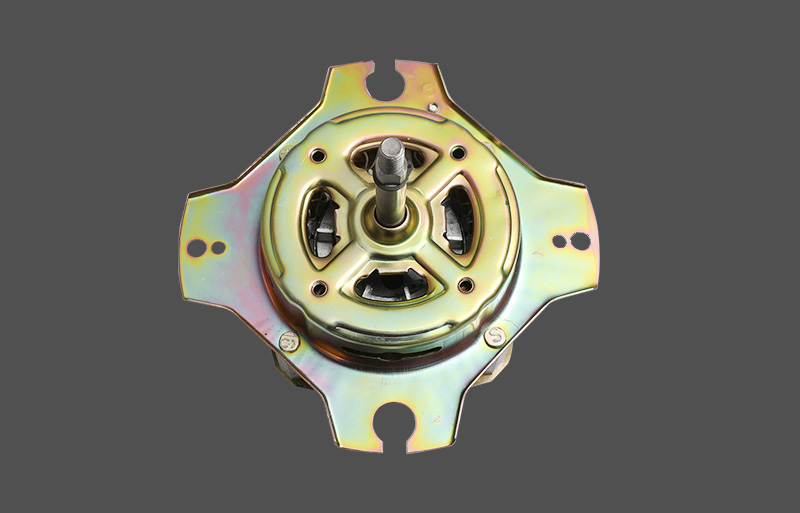
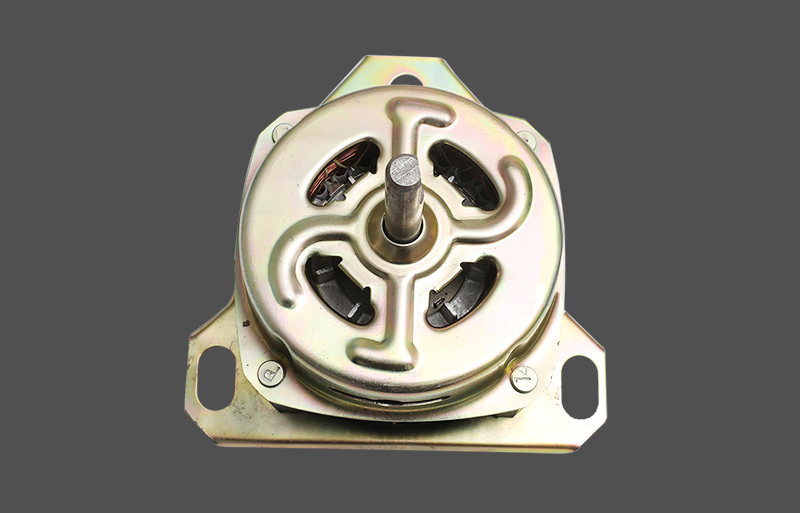
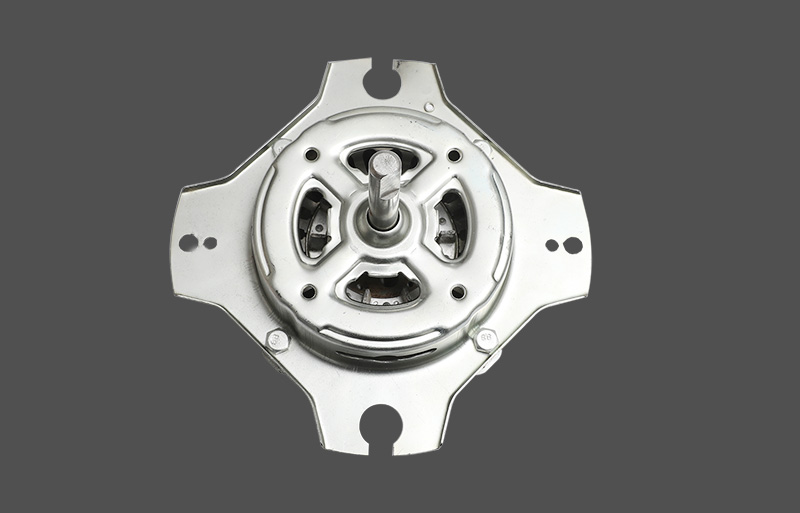
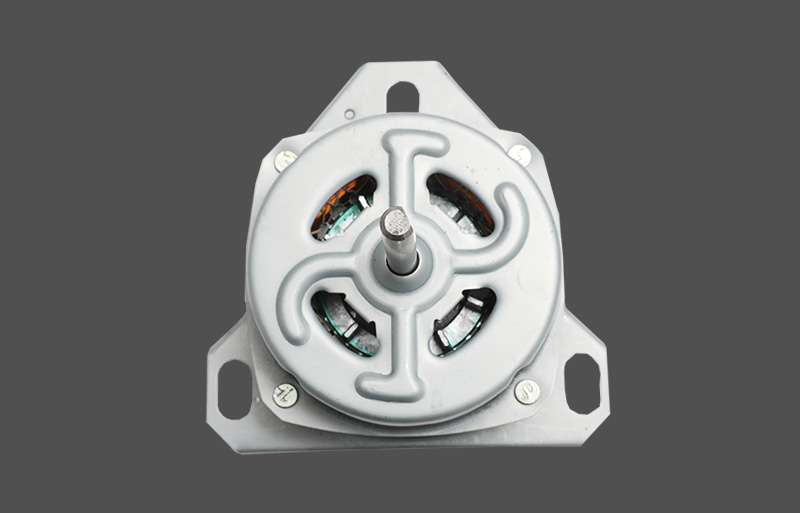
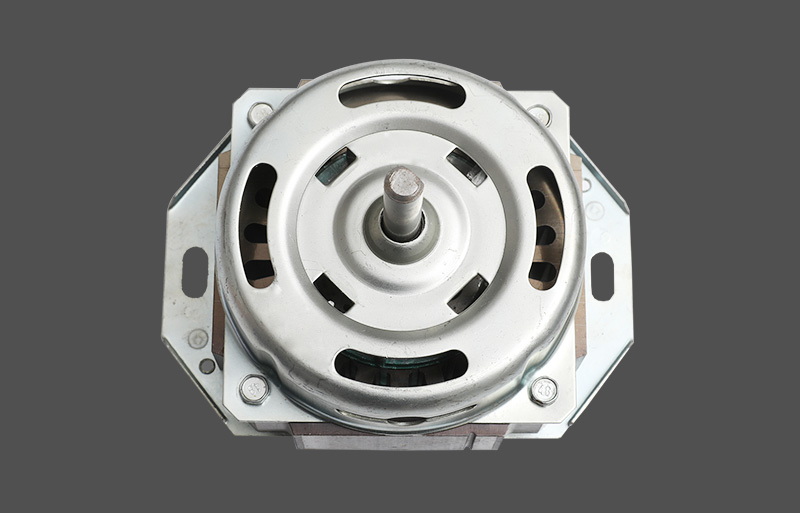
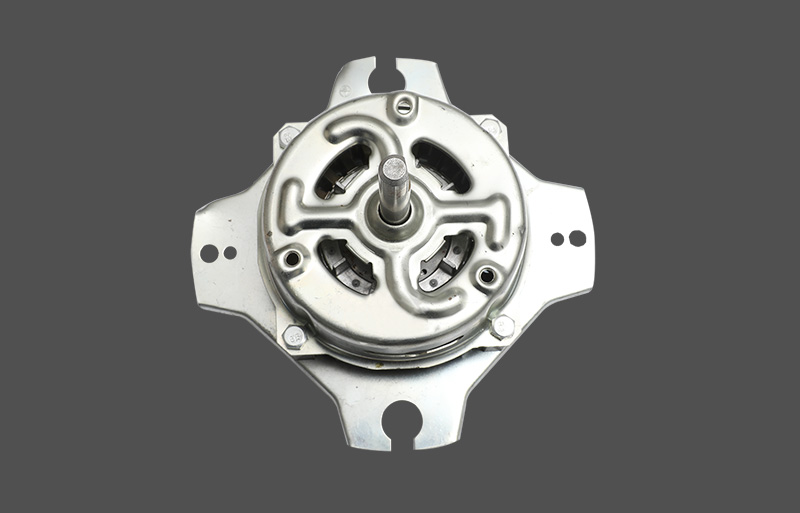
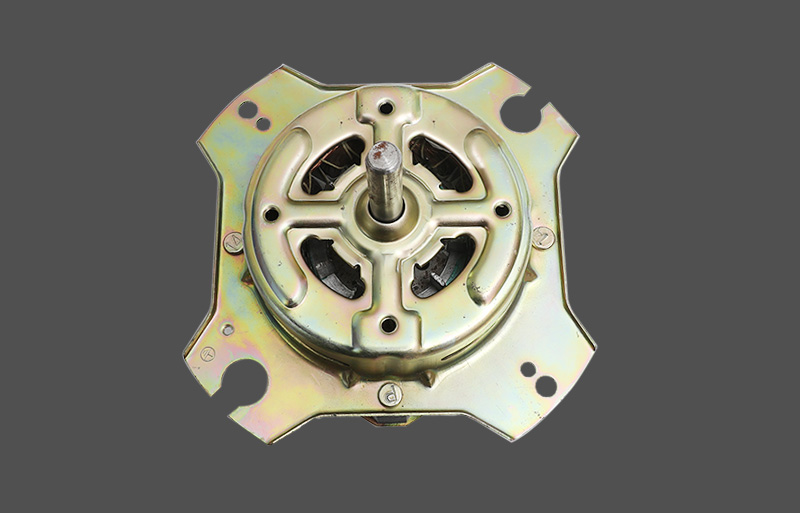
A álló ventilátor motor mind a háztartási, mind a kereskedelmi rajongók központi eleme. Működés közben túlmelegedhet, ami befolyásolhatja a motor élettartamát és az üzembiztonságot. A jól megtervezett hővédelmi mechanizmus elengedhetetlen a stabil teljesítményhez és tartóssághoz. Ez a cikk professzionális áttekintést nyújt az állóventilátor-motorok hővédelmének tervezési elveiről, típusairól, mechanizmusairól és alkalmazásairól.
A hővédelem fontossága
A motortekercsek túlléphetik a biztonságos hőmérsékleti határértékeket hosszan tartó működés vagy nagy terhelés esetén, ami a szigetelés elöregedéséhez, a csapágyak károsodásához, sőt a motor kiégéséhez vezethet. A túlmelegedés tűzveszélyt vagy elektromos biztonsági kockázatokat is jelenthet. A hővédelmi mechanizmusok valós időben figyelik a motor hőmérsékletét, és szükség esetén aktiválják a védelmi intézkedéseket, biztosítva a megbízható működést. Az állóventilátoroknál a hővédelem nemcsak a motort védi, hanem javítja a termék minőségét és a felhasználói élményt is.
A hővédelmi mechanizmusok típusai
Armal protection in standing fan motors is generally categorized into mechanical and electronic types. Mechanical protection often uses bimetallic strips or thermal switches, which disconnect the circuit based on thermal expansion properties. Electronic protection employs temperature sensors or thermistors (NTC/PTC) to measure temperature, with control circuits determining whether to cut power or reduce load. Electronic protection offers faster response and higher accuracy, enabling multi-level temperature control and fault alarm functions. Mechanical protection is cost-effective and simple, commonly applied in low-power household fans.
A hővédelem kiváltó elve
Armal protection activation is based on temperature detection and threshold judgment. Mechanical switches use thermal expansion to open contacts and disconnect power. Electronic protection converts temperature readings into voltage or resistance signals, allowing control chips to determine whether the motor exceeds preset temperature thresholds. When excessive heat is detected, the system can immediately cut power, reduce speed, or implement intermittent operation. Designers must consider sensor placement, response time, and hysteresis to avoid false triggers and ensure reliable protection.
Főbb tervezési paraméterek
A hővédelem tervezésének fő paraméterei közé tartoznak a hőmérsékleti küszöbértékek, a válaszidő, a visszaállítási módszerek és a telepítés helye. A küszöbértékeket a motor névleges teljesítménye, szigetelési osztálya és működési környezete alapján határozzák meg, általában 120 ℃ körüli a háztartási ventilátormotorok esetében. A válaszidő közvetlenül befolyásolja a védelem hatékonyságát; gyorsabb reagálás megakadályozza a motor károsodását. A visszaállítási módszerek közé tartozik az automatikus és a kézi visszaállítás. Az automatikus visszaállítás a folyamatos működéshez, míg a kézi visszaállítás növeli a biztonságot a magas kockázatú alkalmazásokban. Az érzékelőket a tekercselés vagy a forró pontok közelében kell elhelyezni, hogy pontosan tükrözzék a kritikus hőmérsékletet.
Koordináció a hőelvezetéssel
Armal protection works best when combined with effective heat dissipation. Proper airflow design, installation of heat sinks, and blade arrangement reduce localized motor temperatures, improving protection accuracy. Good heat dissipation delays temperature rise, reducing frequent protective trips and extending motor lifespan. Thermal simulation can evaluate temperature distribution, ensuring the protection device functions at key hotspots.
Megbízhatósági és hosszú élettartamú szempontok
Armal protection devices in standing fan motors must exhibit high reliability and long operational life. Mechanical switches should withstand multiple thermal cycles without failure, while electronic sensors require high precision and resistance to electrical interference. Selecting high-quality materials, optimizing contact structures, and implementing moisture and dust protection enhance reliability. A robust thermal protection system prevents motor burnout and accidents during long-term use, ensuring product safety.